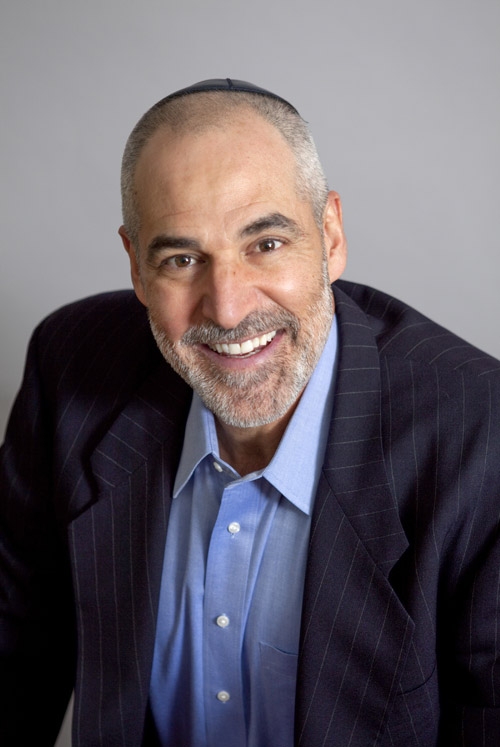
By Alan “Shlomo” Veingrad
At the start of training camp each year, every player gets handed a playbook the size of the yellow pages. He is expected to study it and to know every single play backwards and forwards. Each play is strategically designed to use all eleven players to achieve a specific objective. The playbook provides the spacing, directions, timing, objectives and techniques required for every player for each play.
At times, every player will come up short in his execution but as long as he wins his share of the battles, all is well. The worst thing, though, is to get the play wrong because you did not study it well. Pro Football Hall-of-Famer and legendary Coach Forrest Gregg, who coached me in Green Bay, once told the team “if I open up your playbook on Sunday before the game and don’t find ketchup, mustard, mayonnaise, coffee and maple syrup stains all over it you didn’t study your plays well enough.” More than anything else, our success would depend on how well we would execute our plays.
But if you don’t know who to block or where to go or what to do, the play breaks down and you have no excuse. Can you imagine running the wrong play because you didn’t know what to do? And worst of all – worse than knowing you messed up on national television – is that you, your teammates and your coaches will all watch the whole thing together the next day – in slow motion. Talk about embarrassing!
I have been there, and you dread going to that team meeting. And it can get worse – you may even get a visit from the Turk, delivering those ominous words: “Coach wants to see you and, uh, bring your playbook.” [NFL Lesson: The “Turk” is the messenger who informs a player that he is about to be cut from the team.] Can you imagine that happening to you? Again, I have been there.
In Judaism, we have several “playbooks” that describe how we can achieve our various spiritual objectives. One of my favorites is the Haggadah – the playbook for the Passover Seder. We have a lot to accomplish on this special night and we’ve got to do what it takes to make the most of it. It is our best opportunity of the year to break out of our own personal limitations, symbolized by the slavery of ancient Egypt. We can “gain more yardage” towards ultimate freedom at the Seder, and throughout Passover, than at other time of the year, moving downfield towards our “promised land.”
Like a playbook, the Haggadah is full of specifics: Make kiddush and lean in luxury as you drink the wine, wash your hands, take a vegetable and dip it in saltwater, break the middle matzah, ask and reward questions, etc. Each of these “plays” is strategically designed to achieve an objective, enhancing our identities, deepening our freedom. But if you want to be successful, you have to study the playbook. And, you have to understand it.
Success in football, and in Judaism, is about more than x’s and o’s. You also have to know what it takes to win. If you just follow the arrows on the chalkboard, you might get the play right but you’ll never be a winner. Great players don’t just study the playbook to memorize it but to understand it.
As a former offensive lineman coming out of the huddle to the line of scrimmage, I can assure you we didn’t focus on the instant success of crossing the goal line; we focused on making progress and “moving the chains.” How often do we see the referee holding up his fingers motioning to the head coach you just need an inch for the first down? We have to do the same thing, making our way down the field, away from the “Egypt” keeping us down.
The Hebrew name for Egypt is Mitzrayim, which means boundaries or limitations. These boundaries and limitations that exist in the realm of our relationship with God cause us to serve with limited commitment. We need to ensure that we don’t get taken down by our inner Egypt by taking out that playbook and studying it before the big night. That’s what it takes to execute our plan, making an unbounded commitment to Godliness. We just need to keep moving those chains, inch by inch, yard by yard and Mitzvah by Mitzvah.
Ready? On three – Blue 18 Blue 18 hut, hut - hut!
Have a happy, meaningful and kosher Passover.
About Alan Veingrad, the transformational speaker, had a seven-year career as an offensive lineman in the NFL, first with the Green Bay Packers and then the Dallas Cowboys, with whom he won Super Bowl XXVII. He has been the subject of features on NBC, NPR, JM in the AM, and the Jewish Channel; and in the NY Times, NY Post, Dallas Morning News, and the Miami Herald. In a one-of-a-kind presentation, Alan shares with audiences around the world the story of how he became aware after retiring from football that his lifestyle was more style than life. It left a void in him that ultimately led to his becoming an Orthodox Jew. For more information about hearing his uniquely entertaining and valuable perspective, please visit www.alanveingrad.com. For Media Inquiries and bookings, contact alan@alanveingrad.com 954 205 6369.
Tuesday, March 22, 2011


Tuesday, February 22, 2011
The Ultimate NFL Shabbat Experience
SUPER BOWL CHAMP HOSTS FIRST-EVER
NFL SHABBAT EXPERIENCE
Join Alan Shlomo Veingrad, former Green Bay Packer and Dallas Cowboy, on a four day, three night trip to legendary Lambeau Field, Green Bay, WI. Home of the Super Bowl Champion Green Bay Packers!
This Ultimate NFL Shabbat Experience will include:
Local Ground transportation
Hotel Accommodations
Excellent Glatt Kosher Food
Tour of Packer Locker Room
Tour of Lambeau Field, Packer Hall of Fame
Amazing Shabbos with inspiring Rabbis
"Chalk Talk" motzei Shabbos with Alan and another veteran Packer player
The ULTIMATE Kosher Tailgate party
Exceptional location seating to watch Packer game
Cost, Opponent and date to be finalized pending release of NFL league schedule*
Ultimate NFL Shabbat Experience reservations will be limited. To place your name on the list for priority positioning and further information, please email alan@alanveingrad.com.
* Estimated mid-April pending labor negotiations
About the author: Alan "Shlomo" Veingrad
Alan had a seven-year career as an offensive lineman in the NFL, first with the Green Bay Packers and then the Dallas Cowboys, with whom he won Super Bowl XXVII. Alan’s presentation style and post-retirement experience in business have made him a much sought-after speaker by many organizations whose management seeks to lead their organizations by exemplifying a culture of personal and professional achievement blended with a higher purpose. Alan has captivated religious audiences around the world, bringing his inspirational messages of transformation, personal excellence, leadership, team play and spiritual connection. Today Alan is the National Marketing Director with CJA and Associates, a nationwide consulting firm specializing in tax elimination strategies and estate planning options for business owners and professionals. For more information, please visit www.alanveingrad.com. For Media Inquiries and bookings, please contact alan@alanveingrad.com 954 205 6369.
NFL SHABBAT EXPERIENCE
Join Alan Shlomo Veingrad, former Green Bay Packer and Dallas Cowboy, on a four day, three night trip to legendary Lambeau Field, Green Bay, WI. Home of the Super Bowl Champion Green Bay Packers!
This Ultimate NFL Shabbat Experience will include:
Local Ground transportation
Hotel Accommodations
Excellent Glatt Kosher Food
Tour of Packer Locker Room
Tour of Lambeau Field, Packer Hall of Fame
Amazing Shabbos with inspiring Rabbis
"Chalk Talk" motzei Shabbos with Alan and another veteran Packer player
The ULTIMATE Kosher Tailgate party
Exceptional location seating to watch Packer game
Cost, Opponent and date to be finalized pending release of NFL league schedule*
Ultimate NFL Shabbat Experience reservations will be limited. To place your name on the list for priority positioning and further information, please email alan@alanveingrad.com.
* Estimated mid-April pending labor negotiations
About the author: Alan "Shlomo" Veingrad
Alan had a seven-year career as an offensive lineman in the NFL, first with the Green Bay Packers and then the Dallas Cowboys, with whom he won Super Bowl XXVII. Alan’s presentation style and post-retirement experience in business have made him a much sought-after speaker by many organizations whose management seeks to lead their organizations by exemplifying a culture of personal and professional achievement blended with a higher purpose. Alan has captivated religious audiences around the world, bringing his inspirational messages of transformation, personal excellence, leadership, team play and spiritual connection. Today Alan is the National Marketing Director with CJA and Associates, a nationwide consulting firm specializing in tax elimination strategies and estate planning options for business owners and professionals. For more information, please visit www.alanveingrad.com. For Media Inquiries and bookings, please contact alan@alanveingrad.com 954 205 6369.
Wednesday, February 9, 2011
Crown Heights, NY Speaking Engagement
Thursday evening, February 10, 2001 8:30 PM
Reim Ahuvim shul 1614 Carroll Street (corner Schenectady).
Crown Heights, New York
Fathers/son, Boys age 10 and older, all men are welcome
"Tackling Life's Daily Challenges on the Right Playing Field"
Refreshments will be served
Reim Ahuvim shul 1614 Carroll Street (corner Schenectady).
Crown Heights, New York
Fathers/son, Boys age 10 and older, all men are welcome
"Tackling Life's Daily Challenges on the Right Playing Field"
Refreshments will be served
Tuesday, February 8, 2011
Speaking Schedule
Wednesday Feb 9 7pm Chabad of Orange County
1170 Route 17M Suite I Upper Level Parking Lot• Chester, NY 10918 845.782.2770
Thursday Feb 10 6pm Yeshiva of Flatbush
919 East 10th Street Brooklyn, NY 11230 718.377.1100
Thursday Feb 10 Father/Son Farbrengen
Crown Heights, NY (location TBD) please check back
Friday Feb 11/12 The Roitman Chabad Center @ Cornell University
102 Willard Way Ithaca, NY 14850 607.257.7379
Sunday Feb 13 6:30 PM Chabad of S. Mateo
Marriott Hotel 1770 S. Amphlett Boulevard in S. Mateo, CA 650.341.4510
1170 Route 17M Suite I Upper Level Parking Lot• Chester, NY 10918 845.782.2770
Thursday Feb 10 6pm Yeshiva of Flatbush
919 East 10th Street Brooklyn, NY 11230 718.377.1100
Thursday Feb 10 Father/Son Farbrengen
Crown Heights, NY (location TBD) please check back
Friday Feb 11/12 The Roitman Chabad Center @ Cornell University
102 Willard Way Ithaca, NY 14850 607.257.7379
Sunday Feb 13 6:30 PM Chabad of S. Mateo
Marriott Hotel 1770 S. Amphlett Boulevard in S. Mateo, CA 650.341.4510
Thursday, February 3, 2011
Why I Love the Green Bay Packers?
Having had the opportunity to play for the Green Bay Packers for 5 seasons would be the most logical reason. Of course I have to mention the history of the team; so many great players, all those championships, and who can forget Vince Lombardi, the famed head coach of the Packers in the 1960s?
As a high school kid I used to listen to Vince Lombardi’s motivational cassette tapes to pump me up before football games and track meets. Lombardi had claimed that Forrest Gregg was the finest player he’d ever coached. Amazingly, I was coached by Forrest Gregg for 2 of my 5 years as a Packer! Those that have had the chance to visit Green Bay and/or take in a Packers game at Lambeau Field would concur, the fans and the people are truly real, genuine and just so loyal to those Packers. These are all very sound reasons why I should love the Packers, however, there is another reason – the main reason.
During my rookie year, when it was officially announced that I made the team, I received a phone call from Lou Weinstein, a local Green Bay businessman. Mr. Weinstein invited me out to his country club for lunch. I accepted not knowing what or why this man wanted to meet me and buy me lunch. During our lunch Mr. Weinstein said he read about me the previous week in the Jewish Press in an article listing the 5 jews that were in training camp that summer. He also read about me in the Green Bay Press Gazette as it announced the final Packer roster for 1986. Mr. Weinstein went on to ask me if I needed anything. I was taken aback, did I need anything? I was 23 years old at the time, living in a motel across the street from Lambeau Field with $9.00 dollars in my pocket and a suitcase of clothes. Who picks up the phone and asks a perfect stranger out to lunch and ask if he needs anything? Mr. Weinstein, that’s who. He also invited me to synagogue for the upcoming Rosh Hashanah (Jewish New Year) holiday. Mr. Weinstein knew what the Torah says about the obligation and the privilege for one to reach out to another and ask, “Do you need anything? How can I help you?” When was the last time you asked a perfect stranger, “do you need anything, how can I help you?”
That’s why I love the Green Bay Packers. Go Pack Go!
About the author: Alan “Shlomo” Veingrad
Alan Veingrad had a seven-year career as an offensive lineman in the NFL, first with the Green Bay Packers and then the Dallas Cowboys, with whom he won Super Bowl XXVII. Veingrad’s presentation style and post-retirement experience in business have made him a much sought after speaker. Many organizations whose management seeks to lead their organizations by exemplifying a culture of personal and professional achievement blended with a higher purpose call on Veingrad to speak to their employees. Veingrad has captivated religious audiences around the world, bringing his transformational, inspirational messages of positivism, personal excellence, leadership, team play and spiritual connection. Veingrad is also the National Marketing Director with CJA and Associates – specialists in tax elimination strategies and estate planning options for business owners and professionals. For more information, please visit www.AlanVeingrad.com. For Media Inquiries and bookings; please contact alan@alanveingrad.com 954/ 205-6369.
As a high school kid I used to listen to Vince Lombardi’s motivational cassette tapes to pump me up before football games and track meets. Lombardi had claimed that Forrest Gregg was the finest player he’d ever coached. Amazingly, I was coached by Forrest Gregg for 2 of my 5 years as a Packer! Those that have had the chance to visit Green Bay and/or take in a Packers game at Lambeau Field would concur, the fans and the people are truly real, genuine and just so loyal to those Packers. These are all very sound reasons why I should love the Packers, however, there is another reason – the main reason.
During my rookie year, when it was officially announced that I made the team, I received a phone call from Lou Weinstein, a local Green Bay businessman. Mr. Weinstein invited me out to his country club for lunch. I accepted not knowing what or why this man wanted to meet me and buy me lunch. During our lunch Mr. Weinstein said he read about me the previous week in the Jewish Press in an article listing the 5 jews that were in training camp that summer. He also read about me in the Green Bay Press Gazette as it announced the final Packer roster for 1986. Mr. Weinstein went on to ask me if I needed anything. I was taken aback, did I need anything? I was 23 years old at the time, living in a motel across the street from Lambeau Field with $9.00 dollars in my pocket and a suitcase of clothes. Who picks up the phone and asks a perfect stranger out to lunch and ask if he needs anything? Mr. Weinstein, that’s who. He also invited me to synagogue for the upcoming Rosh Hashanah (Jewish New Year) holiday. Mr. Weinstein knew what the Torah says about the obligation and the privilege for one to reach out to another and ask, “Do you need anything? How can I help you?” When was the last time you asked a perfect stranger, “do you need anything, how can I help you?”
That’s why I love the Green Bay Packers. Go Pack Go!
About the author: Alan “Shlomo” Veingrad
Alan Veingrad had a seven-year career as an offensive lineman in the NFL, first with the Green Bay Packers and then the Dallas Cowboys, with whom he won Super Bowl XXVII. Veingrad’s presentation style and post-retirement experience in business have made him a much sought after speaker. Many organizations whose management seeks to lead their organizations by exemplifying a culture of personal and professional achievement blended with a higher purpose call on Veingrad to speak to their employees. Veingrad has captivated religious audiences around the world, bringing his transformational, inspirational messages of positivism, personal excellence, leadership, team play and spiritual connection. Veingrad is also the National Marketing Director with CJA and Associates – specialists in tax elimination strategies and estate planning options for business owners and professionals. For more information, please visit www.AlanVeingrad.com. For Media Inquiries and bookings; please contact alan@alanveingrad.com 954/ 205-6369.
Thursday, January 27, 2011
New York Speaking Schedule
Sunday, Jan 30 10am Chabad of Bedford
133 Railroad Avenue * Bedford Hills, NY 10507 914.666.6065
Sunday, Jan 30 1pm Chabad Center of Northwest New Jersey
*Event Location* Knoll Country Club East
Knoll & Greenbanks Roads Parsippany, NJ 07054 913.316.9500
Sunday, Jan 30 7:30pm The Chai Center of Dix Hills
501 Vanderbilt Parkway • Dix Hills, NY 11746 631.351.8672
Monday, Jan 31 8pm The Schneerson Center for Jewish Life
419 East 77th Street New York, N.Y. 10075 212.717.4613
Tuesday, Feb 1 7pm Chabad of Orange County
1170 Route 17M Suite I Upper Level Parking Lot• Chester, NY 10918 845.782.2770
133 Railroad Avenue * Bedford Hills, NY 10507 914.666.6065
Sunday, Jan 30 1pm Chabad Center of Northwest New Jersey
*Event Location* Knoll Country Club East
Knoll & Greenbanks Roads Parsippany, NJ 07054 913.316.9500
Sunday, Jan 30 7:30pm The Chai Center of Dix Hills
501 Vanderbilt Parkway • Dix Hills, NY 11746 631.351.8672
Monday, Jan 31 8pm The Schneerson Center for Jewish Life
419 East 77th Street New York, N.Y. 10075 212.717.4613
Tuesday, Feb 1 7pm Chabad of Orange County
1170 Route 17M Suite I Upper Level Parking Lot• Chester, NY 10918 845.782.2770
Tuesday, December 7, 2010
Spiritual Chains
Football is a game of inches. How many times do we see the referee holding up his fingers to show the coach your team is an inch short of making the first down? The object in football is to "move the chains" inch by inch, yard by yard advancing the football down the field. The great teams do this well. You can't rely on the big plays to win a championship...championships require consistency at "moving the chains".
One of the many ideas of Chanukah is to move our spiritual chains ascending each and every day throughout the year. During the eight days of Chanukah the head of the household lights the menorah adding a candle from the previous day never being content with the light from the day before. With our spiritual growth we should never take great strides and go for the big play, we should look to move inch by inch, yard by yard, always adding from the day before. Another idea of Chanukah is not only to illuminate our homes with light, we should also look to light up the outside as well. By doing this, each and every one of us participates in warming up both ourselves but the world around us. Chag Chanukah S'meach!
One of the many ideas of Chanukah is to move our spiritual chains ascending each and every day throughout the year. During the eight days of Chanukah the head of the household lights the menorah adding a candle from the previous day never being content with the light from the day before. With our spiritual growth we should never take great strides and go for the big play, we should look to move inch by inch, yard by yard, always adding from the day before. Another idea of Chanukah is not only to illuminate our homes with light, we should also look to light up the outside as well. By doing this, each and every one of us participates in warming up both ourselves but the world around us. Chag Chanukah S'meach!
Monday, November 29, 2010
A Former NFLer's Journey to Orthodox Judaism
By: Sammy Hudes
“There’s certainly a connection between football and Orthodox Jewry, believe it or not,” says former NFLer Alan Veingrad. “You get to shul in the morning and you have to put on the uniform − the tallis and the tefillin – and you start to clear your mind in order to have success in your prayers. It’s the same thing with getting to the locker room and putting on your uniform and clearing your mind so you can go out and have a successful practice.”
The year was 1972, when his family relocated from New York to Miami. Inspired by the Miami Dolphins’ undefeated 1972 season that ended in a Super Bowl championship, it was there in Southern Florida where Veingrad, who was just nine, discovered his passion for football. Intrigued by the sport, Veingrad and his brother began attending plenty of games and practices, as their father had purchased Dolphins season tickets.
“At that time of my life, I was growing up your typical American kid. I liked to go fishing, and boating and snorkeling,” says Veingrad of his childhood. Raised in a secular Jewish environment, his religion naturally took a backseat to his interest in sports. “I recall my parents were, not forcing me, but taking me to Hebrew school to learn about the history of the Jewish people and how to speak Hebrew to prepare for Bar Mitzvah.”
As Veingrad grew older, his passion for football began reaching new heights. After playing high school football, Veingrad received a scholarship to play at East Texas State University. He credits his five year college career for the physical and mental preparation he needed to advance his game. An offensive lineman, Veingrad went undrafted in the National Football League, but signed as a walk-on free agent with the Green Bay Packers in 1986. He made the team that same year, and started every game as a rookie.
After five years with the Packers, Veingrad spent two seasons with the Dallas Cowboys. With Dallas, he was able to win the Super Bowl following the 1992 season. “It was definitely one of my proudest moments,” says Veingrad of one of the greatest professional sports achievements that there is. “It takes a buy in from everybody. You don’t have any naysayers on the squad. You have everybody that’s pulling in the same direction. Everybody expects everybody to give it their all and if there’s somebody that’s not, the players will approach him and let him know that that’s not acceptable to us, for the benefit of this team.”
Following the championship season, Veingrad retired from the NFL. He was satisfied with his career, and his life for that matter. “During my five years in college and my seven years in the NFL, if you had asked me what religion I am, I’d say I’m Jewish. If you had asked me what day it is, I’d say it’s Wednesday. Many times I didn’t know what Jewish holiday it was. I didn’t really care what Jewish holiday it was. I was playing football.”
Soon after retirement, Veingrad was a happily married man with a newborn child. One day, his family was invited over for a Friday night Shabbat dinner at his cousin Jonathan’s. “His family is Orthodox, which I knew. They lived here in South Florida so I went to the Friday night meal, and I didn’t know anything [about Orthodox Judaism] and I didn’t really care. It was after the meal that he asked ‘would you go to a
“There’s certainly a connection between football and Orthodox Jewry, believe it or not,” says former NFLer Alan Veingrad. “You get to shul in the morning and you have to put on the uniform − the tallis and the tefillin – and you start to clear your mind in order to have success in your prayers. It’s the same thing with getting to the locker room and putting on your uniform and clearing your mind so you can go out and have a successful practice.”
The year was 1972, when his family relocated from New York to Miami. Inspired by the Miami Dolphins’ undefeated 1972 season that ended in a Super Bowl championship, it was there in Southern Florida where Veingrad, who was just nine, discovered his passion for football. Intrigued by the sport, Veingrad and his brother began attending plenty of games and practices, as their father had purchased Dolphins season tickets.
“At that time of my life, I was growing up your typical American kid. I liked to go fishing, and boating and snorkeling,” says Veingrad of his childhood. Raised in a secular Jewish environment, his religion naturally took a backseat to his interest in sports. “I recall my parents were, not forcing me, but taking me to Hebrew school to learn about the history of the Jewish people and how to speak Hebrew to prepare for Bar Mitzvah.”
As Veingrad grew older, his passion for football began reaching new heights. After playing high school football, Veingrad received a scholarship to play at East Texas State University. He credits his five year college career for the physical and mental preparation he needed to advance his game. An offensive lineman, Veingrad went undrafted in the National Football League, but signed as a walk-on free agent with the Green Bay Packers in 1986. He made the team that same year, and started every game as a rookie.
After five years with the Packers, Veingrad spent two seasons with the Dallas Cowboys. With Dallas, he was able to win the Super Bowl following the 1992 season. “It was definitely one of my proudest moments,” says Veingrad of one of the greatest professional sports achievements that there is. “It takes a buy in from everybody. You don’t have any naysayers on the squad. You have everybody that’s pulling in the same direction. Everybody expects everybody to give it their all and if there’s somebody that’s not, the players will approach him and let him know that that’s not acceptable to us, for the benefit of this team.”
Following the championship season, Veingrad retired from the NFL. He was satisfied with his career, and his life for that matter. “During my five years in college and my seven years in the NFL, if you had asked me what religion I am, I’d say I’m Jewish. If you had asked me what day it is, I’d say it’s Wednesday. Many times I didn’t know what Jewish holiday it was. I didn’t really care what Jewish holiday it was. I was playing football.”
Soon after retirement, Veingrad was a happily married man with a newborn child. One day, his family was invited over for a Friday night Shabbat dinner at his cousin Jonathan’s. “His family is Orthodox, which I knew. They lived here in South Florida so I went to the Friday night meal, and I didn’t know anything [about Orthodox Judaism] and I didn’t really care. It was after the meal that he asked ‘would you go to a
Wednesday, November 17, 2010
When Is It Time to Change?
By Alan Veingrad
When you are constantly feeling that your current path no longer makes sense, it is time to change.
I know today that I don’t look much like I used to – an offensive lineman for the Green Bay Packers and later the Dallas Cowboys. Today, I sport a long flowing beard, yarmulke and tzitzis. But I did not roll out of the NFL and into the synagogue – that change came later. Just as dramatic for me was the change I experienced when I retired from the game.
As a child, I wondered about what a pro football player would look like up close. Growing up in Miami, I had landed a coveted job with the Miami Dolphins: operating the net that is raised behind the goalposts during an attempted field goal or extra point. I wore an orange staff shirt which allowed me to get into the locker room after the game and to see what these guys were made of.
This experience really sparked my early appreciation for the value of awareness. I discovered how much I could learn by getting close to people and just paying attention to everything that was going on. I learned to listen to what other said about me and what they thought I could do. I needed this awareness to manage the two dramatic transitions in my life: the transition from pro football to non-player and the transition from a more casual Jew to a more focused one.
In the second case, my awareness was piqued when I was once invited to a rabbi’s home for a meal. While I was there, a neighbor, also a rabbi, stopped by to borrow a barbecue grill. My host jumped to his feet and offered to take the grill over to his neighbor’s house and I followed. I watched his neighbor’s son and his friends enjoying a simple relay race game in the street and I was struck by how much they were enjoying the few hot dogs from the grill that highlighted the boy’s birthday party. It caused me to think about all the material “stuff” I had accumulated in my life and how I really desired to be more like these families: relaxed, focused and confident, living simply with everyday joy. I had fallen into the “where are you going to spend the summer?” syndrome and wanted to make a profound change – to return to my spiritual roots. One thing I knew is that it would take focus.
I once had a fellow player teach me all about how to focus. He asked what I focused on when I was in my stance as an offensive lineman and taught me that it must be on one thing: THE TARGET. So I started to stare at a single point on my opponent’s chest. This proved to be exactly what I needed in pursuing my Torah studies, from which I learned even more about focusing my mind and actions.
In addition to focus, you need to keep moving. I once played against Lawrence Taylor of the New York Giants, a fearsome player that I dreaded facing. It turned out to be a great game for me and it was a big thrill the next day when I ended up getting a game ball for my efforts. But then the coach asked me, “OK, but what are you going to do TODAY?” That is the question we all have to ask ourselves each day if we are to continue to re-stoke our desire to be great at what we do.
You can do this! You can create changes large and small in your life if you ramp up your awareness, focus your desire and follow your passion, if you use your discipline and your wisdom and your transferable talents, if you create around you a team that will help pull you out of the old ways and into the new. You may not end up looking like you used to and that’s okay. You will be going on the journey of a lifetime.
When you are constantly feeling that your current path no longer makes sense, it is time to change.
I know today that I don’t look much like I used to – an offensive lineman for the Green Bay Packers and later the Dallas Cowboys. Today, I sport a long flowing beard, yarmulke and tzitzis. But I did not roll out of the NFL and into the synagogue – that change came later. Just as dramatic for me was the change I experienced when I retired from the game.
As a child, I wondered about what a pro football player would look like up close. Growing up in Miami, I had landed a coveted job with the Miami Dolphins: operating the net that is raised behind the goalposts during an attempted field goal or extra point. I wore an orange staff shirt which allowed me to get into the locker room after the game and to see what these guys were made of.
This experience really sparked my early appreciation for the value of awareness. I discovered how much I could learn by getting close to people and just paying attention to everything that was going on. I learned to listen to what other said about me and what they thought I could do. I needed this awareness to manage the two dramatic transitions in my life: the transition from pro football to non-player and the transition from a more casual Jew to a more focused one.
In the second case, my awareness was piqued when I was once invited to a rabbi’s home for a meal. While I was there, a neighbor, also a rabbi, stopped by to borrow a barbecue grill. My host jumped to his feet and offered to take the grill over to his neighbor’s house and I followed. I watched his neighbor’s son and his friends enjoying a simple relay race game in the street and I was struck by how much they were enjoying the few hot dogs from the grill that highlighted the boy’s birthday party. It caused me to think about all the material “stuff” I had accumulated in my life and how I really desired to be more like these families: relaxed, focused and confident, living simply with everyday joy. I had fallen into the “where are you going to spend the summer?” syndrome and wanted to make a profound change – to return to my spiritual roots. One thing I knew is that it would take focus.
I once had a fellow player teach me all about how to focus. He asked what I focused on when I was in my stance as an offensive lineman and taught me that it must be on one thing: THE TARGET. So I started to stare at a single point on my opponent’s chest. This proved to be exactly what I needed in pursuing my Torah studies, from which I learned even more about focusing my mind and actions.
In addition to focus, you need to keep moving. I once played against Lawrence Taylor of the New York Giants, a fearsome player that I dreaded facing. It turned out to be a great game for me and it was a big thrill the next day when I ended up getting a game ball for my efforts. But then the coach asked me, “OK, but what are you going to do TODAY?” That is the question we all have to ask ourselves each day if we are to continue to re-stoke our desire to be great at what we do.
You can do this! You can create changes large and small in your life if you ramp up your awareness, focus your desire and follow your passion, if you use your discipline and your wisdom and your transferable talents, if you create around you a team that will help pull you out of the old ways and into the new. You may not end up looking like you used to and that’s okay. You will be going on the journey of a lifetime.
Friday, September 3, 2010
It’s a brand new season!
By Alan Veingrad
It’s a brand new season! Every Jew is in the game – perhaps playing a different position,role or level of participation than last year but nonetheless, we Jews are all on the same team. Some of us are in the front office, some are still learning the game as second- or third-string rookies and some are Pro-Bowl veterans. But all of us are unique and indispensible with our own special talents and contribution levels. We all have the opportunity to learn the playbook, study and prepare for the game. As a football player in the NFL, I would often change my game plan throughout the season based on the upcoming opponent, as each player I was up against presented a new style of play and unique challenges. And during the week, throughout the game and after the games I would get coached. My coach and I would study the successes and the failures together: Did I make the right block? Was I in the right place at the right time? Did I follow the coach’s instructions? Did I prepare myself properly? Or did I just miss a play or a block, jump off-sides or get called for
holding and cost my team an opportunity to win the game? Sometimes in life, we blow the chance to do the right thing. We say something we shouldn’t, we raise our voice or we’re just not on our toes ready for the opportunity to do it right. We have
the easy lay-up to help someone out, the chance to score on a meaningful mitzvah or free time to learn our offense better. But we drop the ball, or we miss the block and leave someone vulnerable, or waste time that could have made all the difference. We let our teammates down,the coach down and ourselves down. Life is not a game but I have learned a lot from my years in the NFL about what it takes to succeed –
especially at being a great Jew. It’s funny – the NFL season always starts in the fall, right around Rosh Hashana time. These days, I still feel the fresh opportunity in the air at this time of year, to put the past behind me and embrace a brand new
start. But now, it’s not about making the coach proud by being the best player I can, it’s about making God proud, and my family and community proud, by being the best Jew that I can. One key to success that I took with me from my playing days is always to be “coachable.” That means being open and eager to learn new things and make adjustments, to trust someone who knows more than I do and believe in my ability
to meet new challenges. When you relish the chance to make the coach proud, you forget about justifying what you’ve already done – you’re accepting the fresh challenge to build on the past and to look ahead. In every sport and every endeavor there are fumbles, errors, misses and failures. There comes a time when we have to face up to our own misplays, to say to the coach, “I blew a big chance to make an impact. I forgot what you told me and it hurt the team. I accept responsibility and I am sorry; will you forgive me, coach? This season, I’m ready to start over and be every bit the player you know I can be.” The beauty of our Jewish heritage is that we have the winning playbook. The Torah is all about guiding us to grow and always to be our very best at what really matters. Each and every challenge is direct from our Coach to take the next step and to do it right – to reach higher and higher,
never resting on past success or hiding from past mistakes.
The holiday of Rosh Hashanah gets us back in the game – renewed, refreshed and ready to start another season. It’s the time to make our adjustments and to let the Coach know that we’re there for him with everything we’ve got, that we’re going to be coachable this season and better than ever. We’re going to learn the playbook like never before. And we’re going to make Him proud.
It’s a brand new season! Every Jew is in the game – perhaps playing a different position,role or level of participation than last year but nonetheless, we Jews are all on the same team. Some of us are in the front office, some are still learning the game as second- or third-string rookies and some are Pro-Bowl veterans. But all of us are unique and indispensible with our own special talents and contribution levels. We all have the opportunity to learn the playbook, study and prepare for the game. As a football player in the NFL, I would often change my game plan throughout the season based on the upcoming opponent, as each player I was up against presented a new style of play and unique challenges. And during the week, throughout the game and after the games I would get coached. My coach and I would study the successes and the failures together: Did I make the right block? Was I in the right place at the right time? Did I follow the coach’s instructions? Did I prepare myself properly? Or did I just miss a play or a block, jump off-sides or get called for
holding and cost my team an opportunity to win the game? Sometimes in life, we blow the chance to do the right thing. We say something we shouldn’t, we raise our voice or we’re just not on our toes ready for the opportunity to do it right. We have
the easy lay-up to help someone out, the chance to score on a meaningful mitzvah or free time to learn our offense better. But we drop the ball, or we miss the block and leave someone vulnerable, or waste time that could have made all the difference. We let our teammates down,the coach down and ourselves down. Life is not a game but I have learned a lot from my years in the NFL about what it takes to succeed –
especially at being a great Jew. It’s funny – the NFL season always starts in the fall, right around Rosh Hashana time. These days, I still feel the fresh opportunity in the air at this time of year, to put the past behind me and embrace a brand new
start. But now, it’s not about making the coach proud by being the best player I can, it’s about making God proud, and my family and community proud, by being the best Jew that I can. One key to success that I took with me from my playing days is always to be “coachable.” That means being open and eager to learn new things and make adjustments, to trust someone who knows more than I do and believe in my ability
to meet new challenges. When you relish the chance to make the coach proud, you forget about justifying what you’ve already done – you’re accepting the fresh challenge to build on the past and to look ahead. In every sport and every endeavor there are fumbles, errors, misses and failures. There comes a time when we have to face up to our own misplays, to say to the coach, “I blew a big chance to make an impact. I forgot what you told me and it hurt the team. I accept responsibility and I am sorry; will you forgive me, coach? This season, I’m ready to start over and be every bit the player you know I can be.” The beauty of our Jewish heritage is that we have the winning playbook. The Torah is all about guiding us to grow and always to be our very best at what really matters. Each and every challenge is direct from our Coach to take the next step and to do it right – to reach higher and higher,
never resting on past success or hiding from past mistakes.
The holiday of Rosh Hashanah gets us back in the game – renewed, refreshed and ready to start another season. It’s the time to make our adjustments and to let the Coach know that we’re there for him with everything we’ve got, that we’re going to be coachable this season and better than ever. We’re going to learn the playbook like never before. And we’re going to make Him proud.
Subscribe to:
Posts (Atom)